Recipes
-
Anti-Cholera Powder, 1853: What does it mean in 2026?
By Alison Denham The journey from reading historical prescriptions to preparing a remedy involves several steps, each of which can be straightforward, or present difficulties. My research into the publications of John Skelton (1805-1880) led me to attempt to recreate his Anti-Cholera Powder. Here I will discuss: There were four cholera epidemics in Victorian Britain…
-
Truth and discovery in herbal history research: Need we be threatened by digital technology?
By Anne Stobart PhD, independent researcher and author When I was young the concept of truth seemed so simple. Learning about history helped me to appreciate the many versions of reality that are possible. As technology evolves, artificial intelligence (AI) can affect what we consider to be truth and discovery in the field of herbal…
-

Curious Cures in Cambridge Libraries: making medieval medical recipes accessible
By James Freeman – To what medical uses did medieval practitioners put dove faeces, fox lungs, salted owl or eel grease? How might one aid a man with a weak bladder or swollen testicles, or a woman with ‘grinding the womb’ or who ‘travaileth of child’?
-
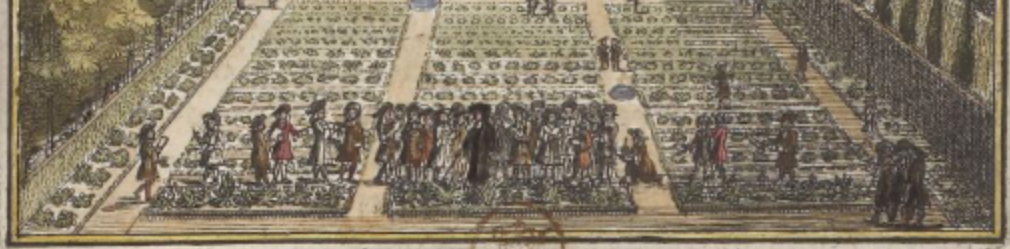
Naming herbs in a pre-Linnaean culture
by Emma Spary & Paul Nulty – Names are useful for the historian to work with—but they must also be associated with specific kinds of plants before classification can happen.
-
Surprising research into herbs, history, household medicine and recipes
Herbal History Research Profile: An interview with researcher and herbalist, Anne Stobart.
-

Deciphering seventeenth-century handwritten recipes: a brief introduction to palaeography
by Dr Anne Stobart, herbalist and researcher Palaeography is the technical term for the study of ancient and historical handwriting. This blog post aims to give some pointers if you are starting out to decipher early modern English handwriting, and is based on my experience of learning to decode seventeenth-century handwritten recipes.