A HHRN Blog by Anne Stobart
Points of view
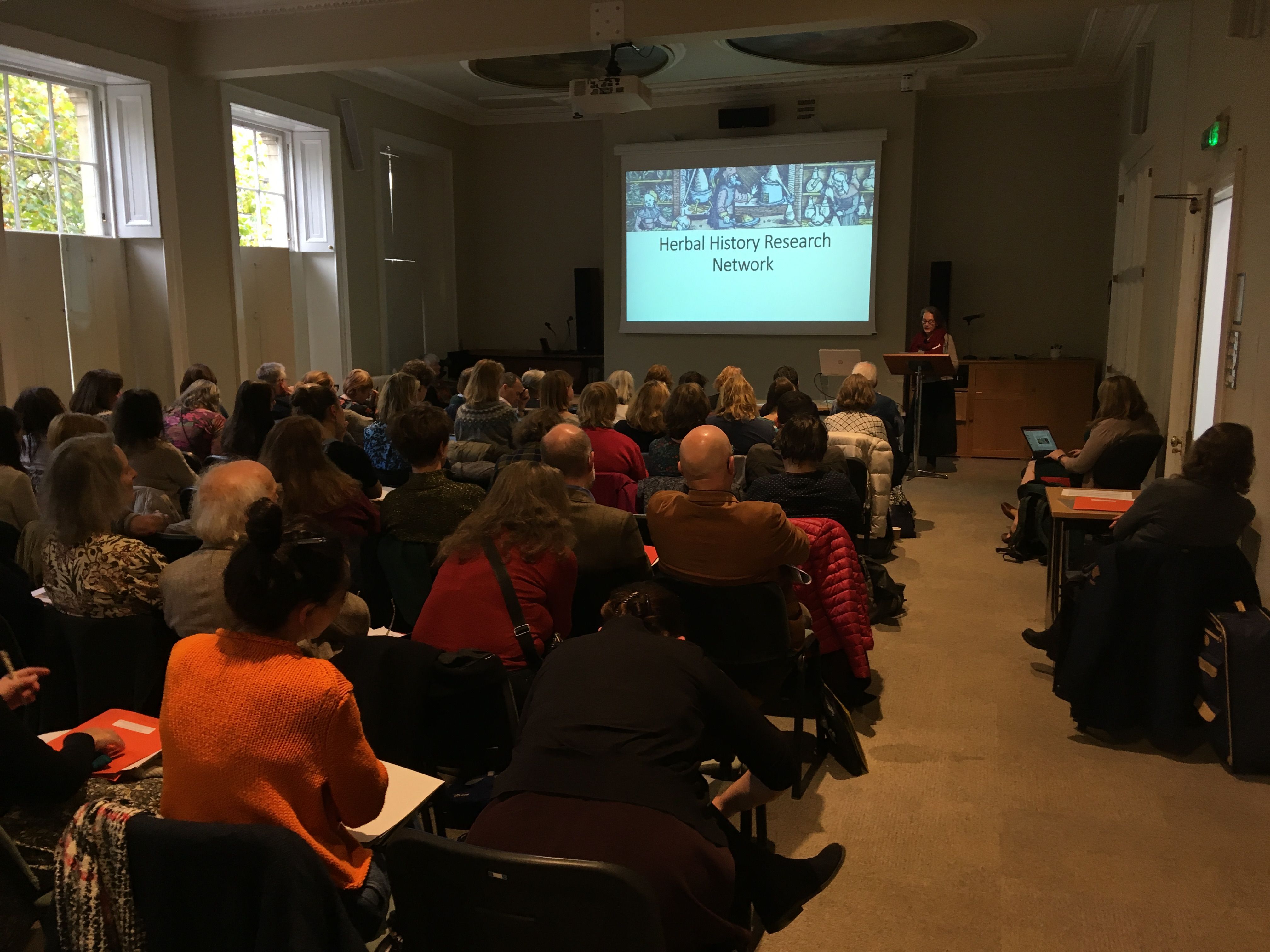
At the celebration seminar of the Herbal History Research Network last year in Bath, I took the opportunity to survey some attendees on what they liked or disliked about researching herbal history. I wanted to get closer to the motivation that drives individuals to carry out herbal history research or to come one of our herbal history research events. I also hoped to identify some of the blockages that we might experience in doing herbal history, obstacles that could/should be addressed. There was much going on during the day, plenty of excellent talks, interesting posters and other distractions, so my survey was somewhat incomplete. Nevertheless, here is a flavour of the comments I received!
So, what did people ‘really like about researching herbal history’? There seemed to be three main themes in the feedback – (i) investigation, (ii) discovering knowledge, and (iii) practical application. First, there was an appreciation of the investigative work involved in herbal history research with responses such as ‘I like asking questions’ and ‘Rediscovering lost information and finding out how people used herbs in the past’. One person wrote of ‘The detective work combined with need to understand the environment and culture of the user – an entry into life with a puzzle attached’. Another person wrote ‘It is rediscovering what has been collectively forgotten’, and another wrote of ‘How it connects to other areas like religion, arts, politics, etc.’. The answers suggest a powerful motivation inherent in searching out details of the past and finding connections within and beyond them.

Third, there were some replies which identified how herbal history research could benefit a specific line of interest or work, from gardeners to writers. ‘I can make the research relevant in the garden, and add another dimension’. ‘Finding the therapeutic relevance today and, as a writer, bringing it to life in a daily context’. A number of comments focused on the potential contribution that past knowledge could directly make to present herbal therapeutics and practice. People wanted to know, for example, ‘How knowledge from the past can contribute to contemporary wisdom and herbal practice that still exists’ and how to provide ‘Useful insights into modern practice’.
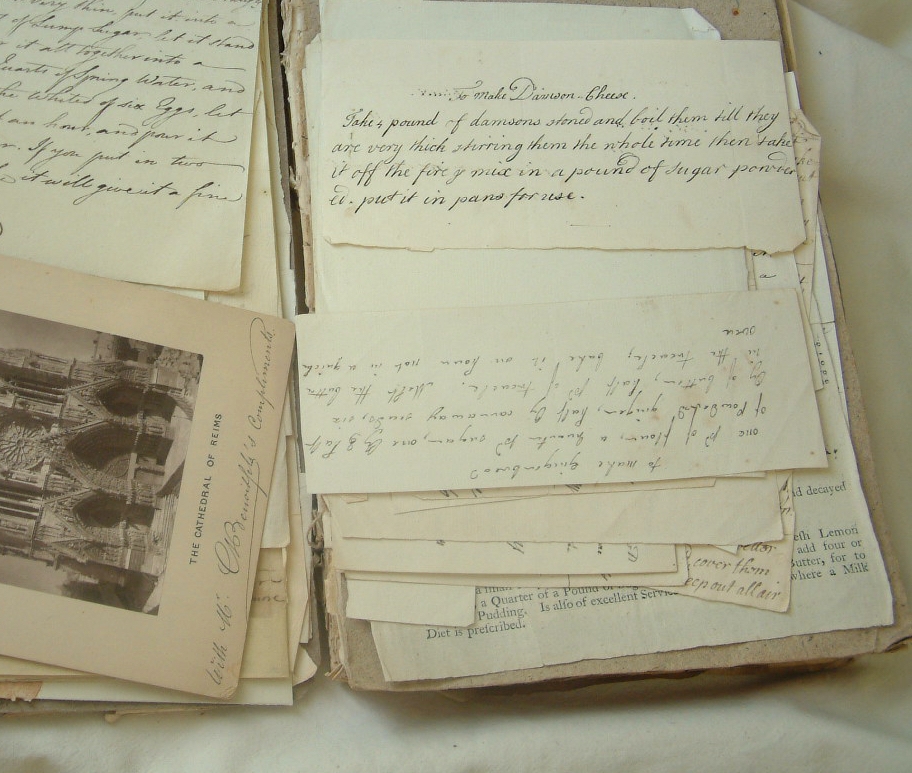
On the ‘dislikes’ front with regard to herbal history research, although one person clearly felt that there was ‘nothing‘ to dislike, other comments suggest that finding sources could be a key issue. As one person noted ‘Sometimes it can take a long time to track information down!’ while another wrote of ‘The difficulty of finding the right sources needed for my specific interests and point of view’. Lack of experience was cited as a problem regarding sources ‘Not knowing how to follow leads, I went to the xxxxxxxx Library once but didn’t get very far’. There was a recognition that there are some special problems in locating herbal history sources: ‘How hard it is to discover what normal people experienced. The missing history is about those less able to write down their practice – oral history is hard to track’ and ‘The sources of common use and knowledge are limited – so it is hard to find out what practices were used’.
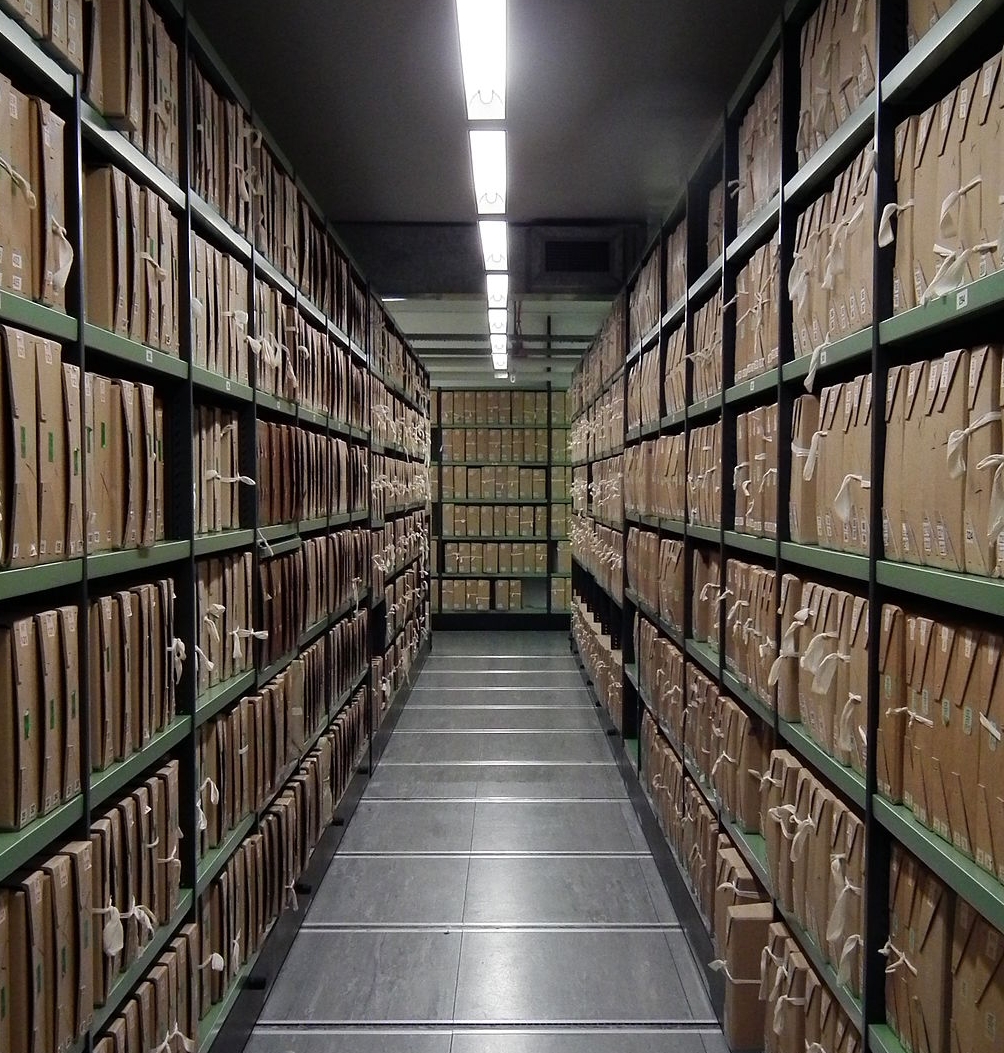
How to use the herbal history source material could be an issue for some. Even where sources for herbal history were readily available this did not necessarily provide satisfaction. For example, one response complained of ‘Just finding a load of dates and coming to a dead end’. There are varying approaches to the way in which herbal history research can be carried out and this was a feature of some of the ‘dislike’ comments. Comments reflected disapproval of some approaches, the quality of research might be brought down by ‘quaintness’, ‘simplistic assumptions (without evidence)’ and ‘lack of rigour in popular research’. Others wrote ‘Sometimes it is hard to find the relevance of academic research’ and one person claimed there is a problem of ‘The framing of categories over process’. While not everyone commented on their dislikes related to herbal history research, there were clear differences in relation to the perception of research. Some individuals preferred a more academic style of enquiry while others felt that an academic approach would not be relevant to herbal practice today. These varied opinions are not so surprising as our audience members varied considerably in background and relationship to the practice of herbal medicine.
So, what can we learn from this partial survey? I suggest that it supports the ongoing need for the Herbal History Research Network to take a lead in strengthening links and understanding between academic, practitioner and other disciplines. Recognising that herbal history research is rather ‘interdisciplinary’, we could also take more care to explain our methods for the benefit of others, thereby sharing understanding of good practices. It is also clear from some of the dislikes that tackling the archives and other resources is not an easy task for research newcomers, indeed some sources are not readily available while others may be hard to find in the archives. For the Herbal History Research Network this is an important area to develop, making sources more widely known, while also helping to provide tools to access the resources effectively.
Overall the number of herbal history research ‘likes’ far outweighed the ‘dislikes’ in the comments received. It is clear that the process of ‘doing’ herbal history research is something that almost everyone enjoyed in some way, especially for the elements of discovery and relevance today. We can be sure that encouraging sharing of experience and good practice is the way forward. That is something to celebrate!