
Evolving Traditions Seminar
The Herbal History Research Network (HHRN) is celebrating its 15th anniversary with an online seminar titled Evolving Traditions: Influences on Western Herbal Practice on Wednesday, 19 March 2025 (14.30-17.15 GMT). The following posters have been accepted and the winner will receive a gift token and be invited to write a blog for HHRN later this year. The winner will be announced on the day of the seminar.
Please scroll down to see student bios and abstracts
Below is a virtual gallery you can ‘walk around’
The gallery may take 30 seconds to load, please be patient.

LUCY REED, READING UNIVERSITY
Email: l.c.reed@pgr.reading.ac.uk
BIO: Lucy is a PhD candidate at the University of Reading …
Her research explores contemporary local herbalism in the UK. Currently, she is studying the effects of written and oral traditions on the British medicinal flora, and using qualitative approaches to explore the process and practice of lay and professional herbalists harvesting their own medicinal plants
CLICK FOR POSTER ABSTRACT: Local English Herbalism: Diachronic Change
To investigate the evolution of medicinal plant knowledge and practice in England we compared new, contemporary survey data on the locally harvested medicinal plants of English lay and professional herbalists with two historic sources. The first is the Old English Herbarium, an Old English translation of four Latin texts including the Pseudo-Apuleius Herbal, a popular medical text throughout the Middle Ages. The second is David Allan and Gabrielle Hatfield’s Medicinal Plants in Folk Tradition: An Ethnobotany of Britain and Ireland, a compilation of oral records collected from around the 16th to early 20th centuries.
The medicinal plants shared between these sources were identified. Therapeutic applications were categorised and compared, with therapeutic application and mode of preparation explored as evidence of continuity of use.
Despite biases in the source materials we found continuities in use, in terms of plants used for the same body categories and, in some cases, for the same specific therapeutic application with the same or similar mode of preparation. Further our results suggest that, in terms of health needs, overall flora and the most broadly useful plants, local herbalism in present-day England has more similarities with the folk medicinal flora of the modern period than that of the medieval period as represented by the Old English Herbarium.

KIM EMBREY, GOETHE UNIVERSITY, FRANKFURT
Email: kim.embrey@yahoo.com
BIO: Kim is a PhD candidate in History at Goethe University Frankfurt …
… having previously completed teaching degrees in English, bilingual Geography, and Ethics. Her research focuses on narcotics in nineteenth-century Britain which she has already presented at the German Historical Institute in London and the International Nineteenth-Century Studies Association’s Conference in Durham and is expected to complete her PhD by summer 2025.
CLICK FOR POSTER ABSTRACT: To what extent did coca’s reception in Victorian Britain reflect tensions between traditional herbal practices and the desire to modernise or ‘improve’ them?
The introduction of coca to Victorian Britain as a medicinal herb offers a unique lens through which to explore the dynamics between traditional herbal practices and modernisation in nineteenth-century medicine. This paper investigates how coca, deeply rooted in indigenous Andean traditions, was adapted to align with Victorian ideals of health and progress. By examining medical journals, popular media, and advertisements, the study reveals how coca’s cultural and medicinal significance was modified to fit a Western scientific and commercial framework.
Coca-based products, such as tonics and wines, were celebrated for their ‘modern’ therapeutic properties, while mostly disregarding its indigenous use for millennia. The paper argues that coca’s reception in Britain reflects a broader tension within Victorian society: while there was a fascination with ‘exotic’ remedies, this interest was accompanied by a desire to ‘improve’ these practices to suit Western tastes and approaches to medicine.
Consequently, it sheds light on how seemingly superior attitudes shaped not only the commodification of herbal remedies but also the concealment of their cultural origins. The case of coca therefore illustrates the transformation of traditional herbal medicine within a modernising society in nineteenth-century Britain.
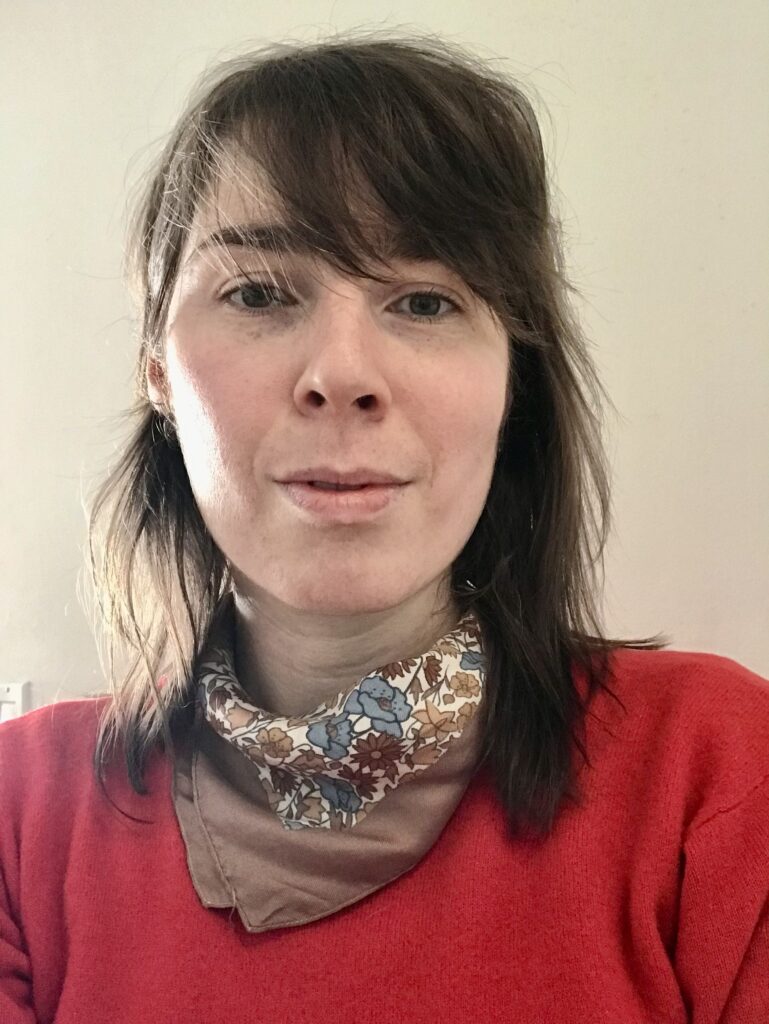
EMMA SLANEY GOSE, UNIVERSITY OF OTTAWA
Email: emma.slaney.gose@gmail.com
BIO: Emma is a community herbalist, and PhD student at the University of Ottawa …
Her thesis comprises an anthropological investigation of the relationships of care surrounding the North American medicinal plant, Blue Cohosh or Caulophyllum thalictroides. Previously, her master’s thesis work comprised an exploration of Traditional Western Herbalism and Plantain (aka: Waybread) Plantago sp.. Her interests in relationships of health and healing, whether of individual people, or larger systems, have manifested in various forms, through a career in social work, land defense, gardening, foraging, medicine making, dancing, hiking, and mothering.
CLICK FOR POSTER ABSTRACT: Where is the Blue Cohosh? Teasing Caulophyllum thalictroides (L.)Michx. out of the Canadian historical record
Blue Cohosh is a North American medicinal plant with a long history of Indigenous use, particularly for childbirth and menstrual difficulties. My PhD research in anthropology at the University of Ottawa is poised to look at the relationships of care birthing consumers and their healthcare practitioners cultivate with this plant. In preparing for this it has become clear that little Canadian literature exists on the history of the Blue Cohosh use. Building from works available which have explored this in explicitly American histories and contexts (Ford, 2015), I intend to intentionally engage with the complex historical dynamic of Canada. [1]
Of particular salience here is the question of how Anglophone and Francophone settler communities may have differently adopted the use of this medicinal plant from Indigenous groups. My aim for this project will be to delve more deeply into secondary sources, and where possible primary sources, to garner information on the use of Blue Cohosh, particularly in midwifery practice through colonization and settlement on Eastern Canada.
Research will include exploration in both French and English of the ethnobotanical, ethnographic and herbal record, while also exploring sources related to midwifery and medicine emerging from Canada’s early colonial history. Through exploration of sources available through the Library and Archives Canada, archives of the monastery of the Augustines in Quebec city, and a variety of other sources, This survey discusses how Blue Cohosh has fared through the unique dynamics of colonial settlement in Canada.
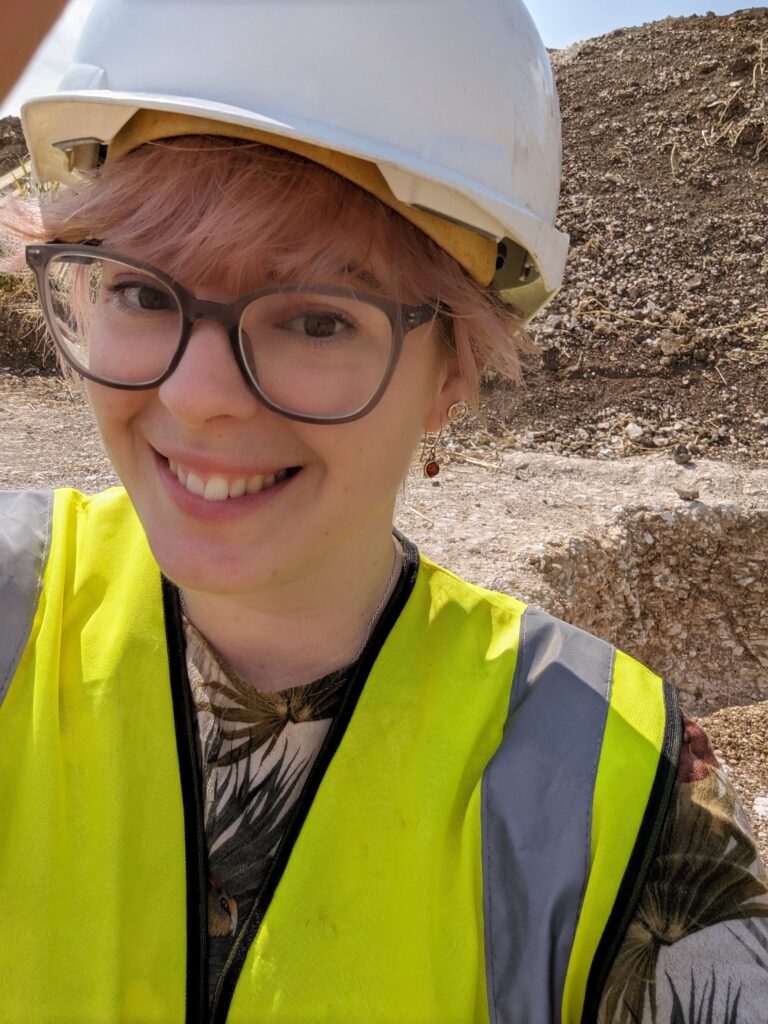
JENNY CARDEN- PORRETT, INDEPENDENT SCHOLAR
Email: okeherbs@gmail.com
BIO: Jenny is a Medical Herbalist …
… working with plants as medicine for over a decade; when her own chronic health issues were turned around by herbal medicine. She wanted to do the same for others, and qualified as a medical herbalist in 2023, currently running a clinic and herbal dispensary in Okehampton. She edits the NIMH Power of Plants magazine and is currently working on a research proposal. Jenny combines a background in biosciences and archaeology with a love of the outdoors to guide walks on Dartmoor, helping people get back to better health in a gentle and sustainable way.
CLICK FOR POSTER ABSTRACT: Evidence for prehistoric plant medicine – Could herbalists shape future archaeobotanical research?
Outside of written records, Archaeobotany has the potential to offer valuable insight into how humans have approached plant medicine in prehistory. Plant material like seeds, roots, and even pollen is recorded through sieving, coring soil and sampling bone and dental calculus in archaeological contexts. However, methods favour capturing evidence of agriculture and food storage, with any plant designated as a weed (almost all non-arable plant matter) used to illustrate climate, or sowing times of accompanying crops.
During initial research, it was noted groupings of medicinal herbs that were recorded are often assigned as animal dung or accidental intrusions. The reluctance to make certain proclamations about medicinal plants within these datasets is easily understood. There are environmental ways seeds and pollen can enter the record, possibilities for modern contamination from drought, or fauna such as badgers or even earthworms. Other complexities in interpretation are encountered as wild plants are often resources with more than one purpose.
Societies did not necessarily categorise plants as either food or medicine; many are also used for textiles or tool making. This led to inflated requirements for accepting plants as medicinal in datasets, with the possibility generally being ignored entirely. Recently efforts have been made in other countries to align archaeological data and indigenous knowledge, with promising results. Similar methods applied to British Bronze Age sites could uncover pre-Roman linguistic traditions of Herbal medicine, and perhaps use these records to help inform more localised and sustainable future herbal clinic practices as climate and supply chains transform.
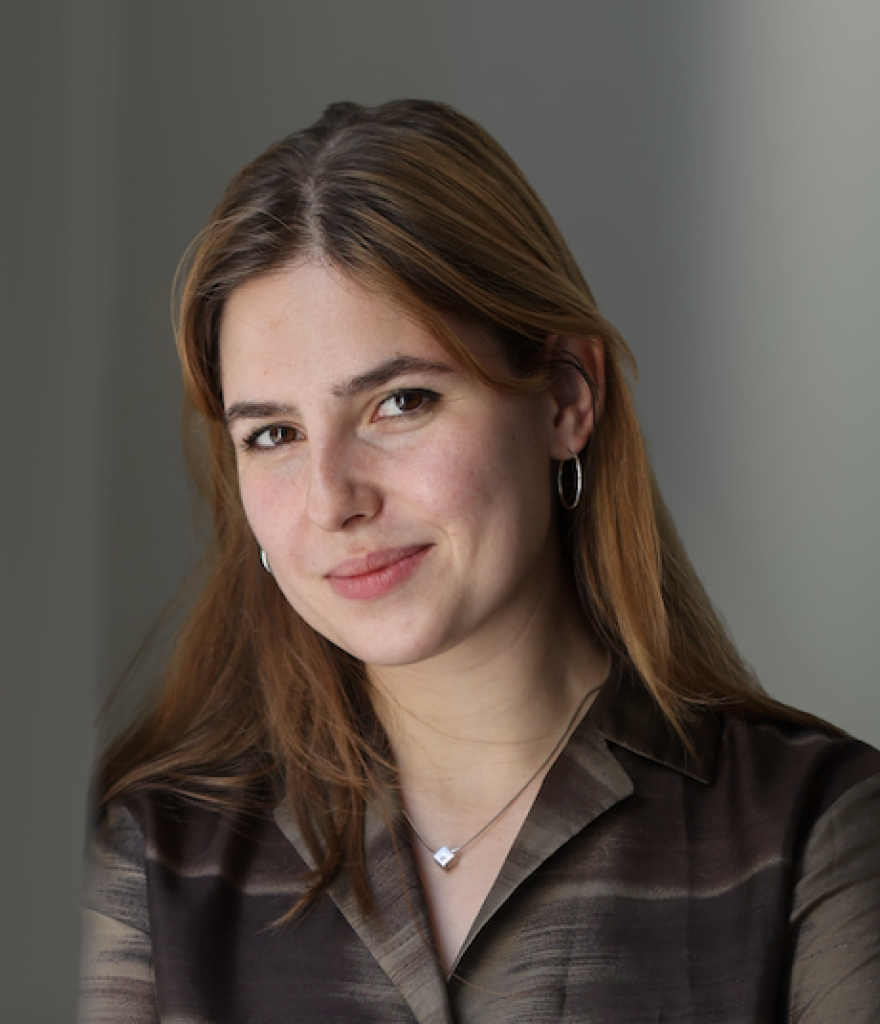
MIKA HYMAN, UNIVERSITY OF CAMBRIDGE
Email: mjh291@cam.ac.uk
BIO: Mika Hyman began a collaborative doctoral project in October 2024 …
… on “Mobilising chocolate: plants, pathogens, and prospectors, 1840-1950” with Royal Botanic Gardens, Kew, the Royal Geographic Society and the University of Cambridge. She completed her undergraduate at Princeton University in Comparative Literature and an MPhil in History and Philosophy of Science at the University of Cambridge. Since being at Cambridge, she has developed her interests in working with natural history collections to explore the history of the life sciences, medicine, and pharmacy. Most recently, she has been a research assistant on the project “Digitising Philippine Flora” at the Cambridge University Herbarium and continues to volunteer in these collections.
CLICK FOR POSTER ABSTRACT: Shifting Boundaries: A Study of William Heberden’s (1710–1801) Materia Medica Cabinet in St John’s College, Cambridge
In the back room of the old library of St John’s College, Cambridge there is an eighteenth-century materia medica cabinet. Compiled, owned, and used by the physician William Heberden (1710-1801), this paper offers a detailed insight into the contents of this largely overlooked materia medica collection.
By opening the cabinet’s drawers, I seek to understand the ways in which Heberden organised and collected the materials at his disposal. I ask, what can the configurations of a cabinet’s drawers tell us about tell us about the properties of an individual specimen? What might such arrangements tell us about the relations between certain substances? To begin to probe these large questions, I focus on the tense relationship between poisons and medicines. I consider how the re-arrangement of specimens reflected evolving understandings about the poison-medicine dichotomy.
Although this paper takes the materiality of the cabinet and its contents as a starting point, I contextualise the collection within Heberden’s teaching and medical practice by examining lecture notes, letters and casebooks. Thus, the paper further explores methods for working across materia medica collections and paper archives to address questions in the history of western herbal medicine and practice.