Part Two
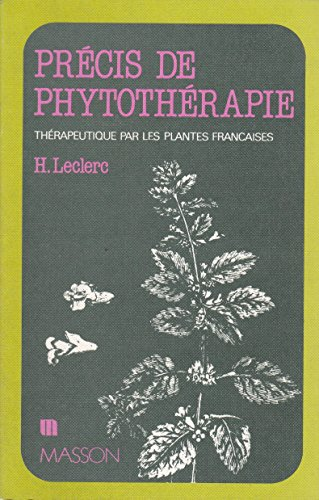
In 1982 when I graduated and set up in practice, I stocked my dispensary with plants of the anglophone tradition referenced in the newly published British Herbal Pharmacopeia. Though we had in place a detailed and rich source of information I was keenly aware that—beyond the empirical application of plants to presenting complaints—we lacked a coordinated model. My aromatherapy practice, however, was richly informed by French texts which did at least make reference to the constitutional terrain. These foundational texts in aromatherapy are in French, and written by medical doctors and pharmacists, the most notable of whom is René Gattefossé (1881–1950), the industrial chemist and perfumer who coined the term aromatherapy. Also, I kept my volume of Leclerc’s Précis de Phytothérapie (1929) close to hand for its insights into the therapeutic values of Europe’s native plants (Figure 6).
Historically in France, the rural cultural tradition epitomised by Chardenon and others, had percolated towards the capital from the eighteenth century. In 1712, Pierre-Jean-Baptiste Chomel published Abrégé de l’histoire des plantes usuelles dans lequel on donne leurs noms différens françois et latins, la manière de s’en servir, la dose et les principales compositions de pharmacie dans lesquelles elles sont employées (translated as A Brief History of Plants in Common Usage, giving both their French and Latin names, the way in which they are used, along with their active constituents and pharmaceutical dosage). This work went through several editions until 1803.
In 1768, Pierre-Joseph Buc’hoz wrote Médecine rurale et pratique, tirée uniquement des plantes usuelles de la France (or Practical Country Medicine, drawn exclusively from plants in common usage in France). In 1792, Henri François-Anne de Roussel drew up Un Tableau des plantes usuelles, rangées par ordre suivant les rapports de leurs principes et de leurs propriétés (title in English is A Table of common plants, arranged according to the relationships of their constituents and properties).
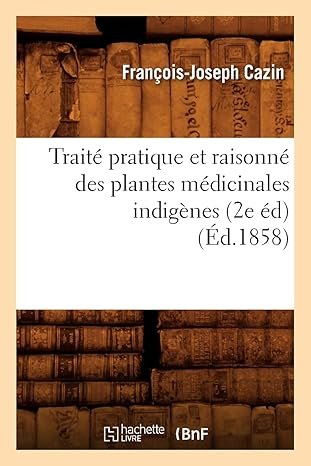
So, when the medical doctor François–Joseph Cazin (1788–1864) was moved by the poverty of his rural patients to promulgate botanic medicine as an accessible and low-cost alternative to costly pharmaceutical preparations, he was building upon a native tradition. In the 1858 edition of his magnum opus (see Figure 7), a copy of which I have, he gives the botanical circumscription, description of the dried plant, physiological actions, indications for use, and instructions for the pharmacist. There are 40 plates illustrating 200 plants as well as a therapeutic index (Cazin, 1850, 1858). He was celebrated and honoured in his lifetime for his medical and botanical work and is considered in France as a founder of phytotherapy alongside Henri Leclerc (1870–1955).
Leclerc was the first to use the term in his Précis de phytothérapie, which went through several editions from 1922, and he founded La revue de phytothérapie in 1937. He was a country doctor but also a historian of simples and phytotherapy, honoured like Cazin as an Officer of the Legion of Honour. His materia medica was indigenous but he also wrote on tropical spices. This connects him with Jean Valnet (1920-1995) who, in the eastern tropics (in what was formerly known as French IndoChina) and like Galen an army surgeon, came to learn about and use plant oils and resins from indigenous plants to treat wounds. With Dr Maurice Girault he later developed the aromatogramme as a way of matching the antibiotic properties of essential oils to the individual patient by biological means. This very important innovation was a physical application of contemporary laboratory science to the historic notion of the individual terrain in line with Pasteur’s original concept and with rural tradition. Valnet went on to further develop and popularise aromatherapy.
On a trip to Paris in 1984 in search of more of this type of clinical approach, I came across and purchased the four volumes of Cahiers de Phytothérapie Clinique (1983). Although I picked up the scent of the constitutional, I did not quite understand these medical and pharmaceutical texts but knew they were on to something (guided perhaps by T.S. Eliot’s remark that poetry can be apprehended before it is fully understood). A dozen years later I was fortunate to study with two of the authors: Drs. Christian Duraffourd (1943–2019) and Jean-Claude Lapraz (1942—) in class in London and in their clinics in Paris.
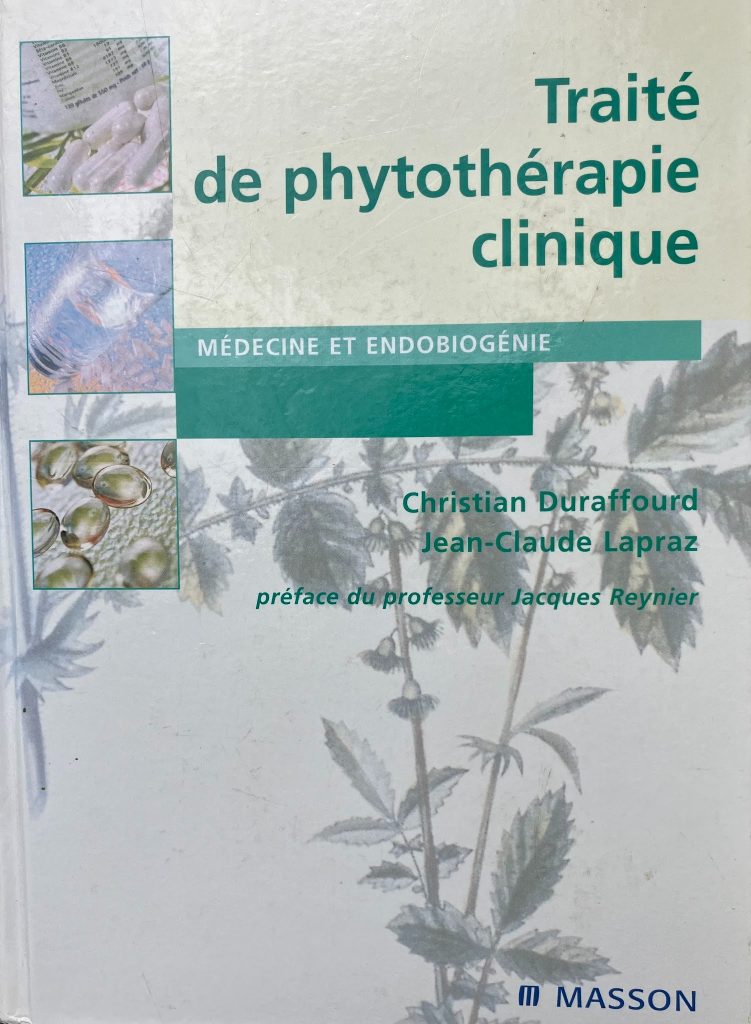
Their further development of the neuroendocrine theory of the terrain, expressed originally in the Cahiers, and later rebranded as “endobiogenics”, is documented in their Traité de phytothérapie clinique (Duraffourd, Lapraz 2002), see Figure 8.
Dr. Lapraz later co-wrote a book on personalised medicine with one of his patients, which further elaborated their approach (Lapraz 2012; trans. Barker, 2020). In 2015, the training in Endobiogenics moved eastwards to Lithuania, (taught in English) under the direction of Dr. Kamyar M. Hedayat, an Iranian-American doctor of medicine. So the francophone tradition had started to percolate into the anglophone and diffuse through Britain, North America and Eastern Europe where a culture of herbal remedies had always been strong.
Returning to Valnet, his collaborative work with Duraffourd and Lapraz in the 1970s led to a publication (Valnet, Duraffourd, Lapraz 1978). Doctor Lapraz recalled this development as a medical prescriber of plants in his work on personalised medicine. Valnet’s work reflects the same awareness of French rural culture as I had found in the works of doctors Cazin and Leclerc.
In France as in Germany, and in contrast with post-war developments in the UK, plants were less lore and more common sense, and common practice. At least that is how I interpreted my interactions with the Basque cook and his wife who cooked for the chateau in which I was a guest, and in the homes of my students at the lycée where I taught English, and in weekly local markets where knowledgeable herbalists would engage with their customers and their ailments. Even local pharmacists to whom I have spoken (either because of or in spite of their eventual monopoly in dispensing them) have continued to express great respect for plant remedies, and to retain knowledge about them.
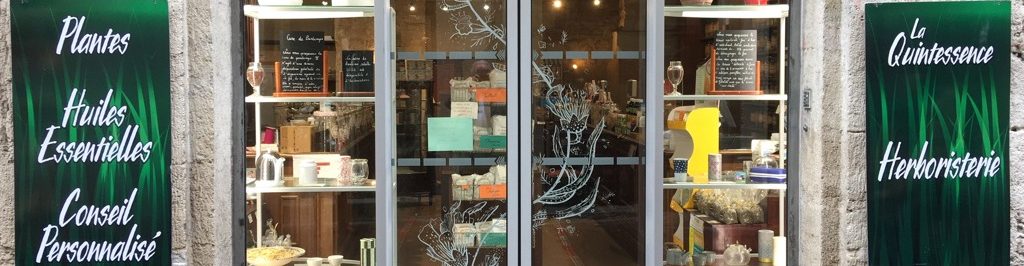
The City of Montpellier in Southern France hosts one of the oldest universities in the world with a medical school second only to Salerno in prominence in the medieval period (see Figure 9). Contemporary exhibits at the medical school demonstrate a respect for phytotherapy which it embeds in the Hippocratic tradition of Classical Era, evidently enjoying some cachet to this day. Rather than being ignored or even discredited by the medical-scientific establishment, to a considerable extent historic traditions, knowledge and practices have been respected and built upon.
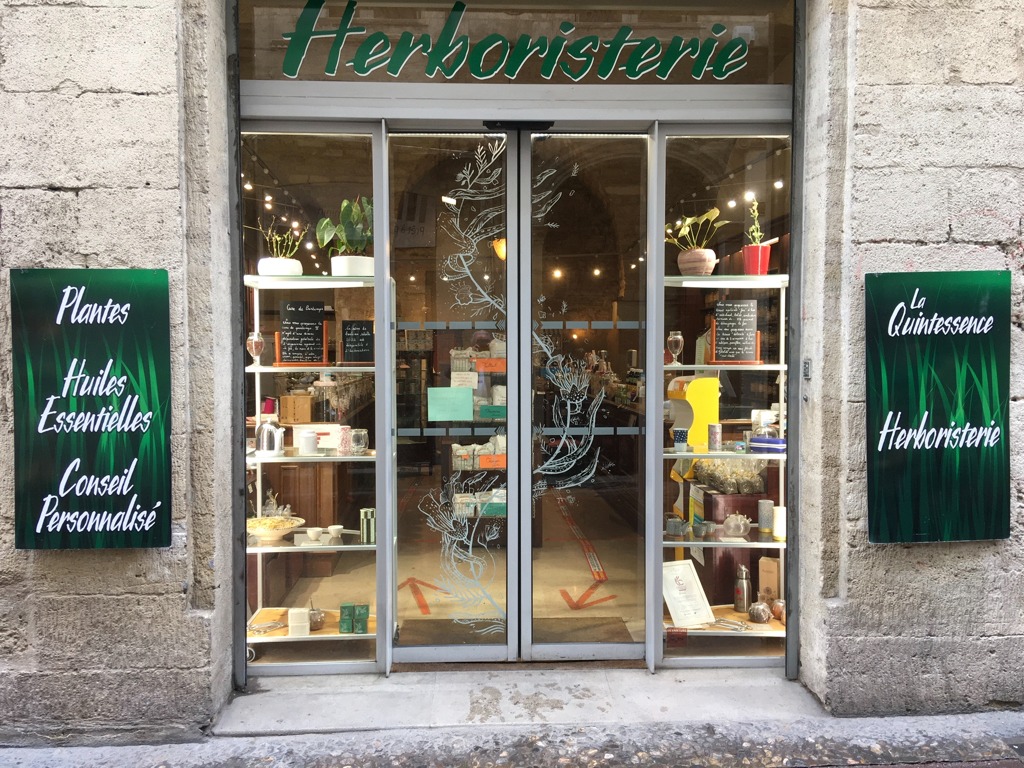
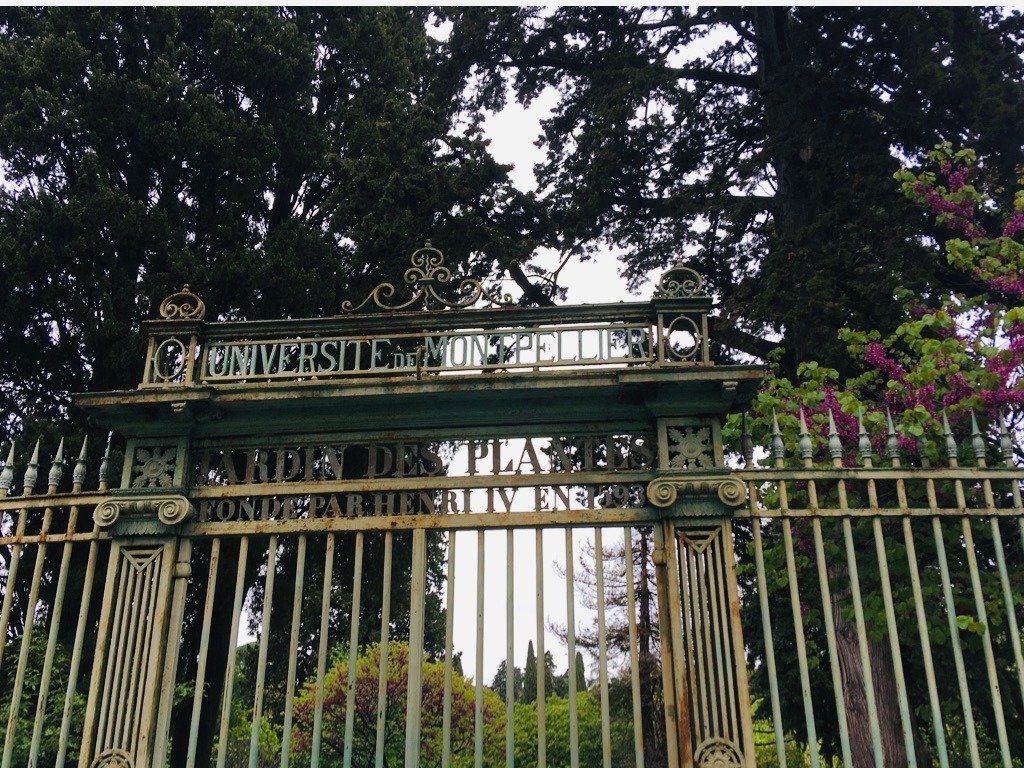
Figure 9 Left, A herboristerie in Montpellier and right, the gates to the Jardin des Plantes which is the entrance to the Medical School and was also a teaching garden (photo: Author’s own).
In Medicine & Culture (Figure 1) Lynn Payer focussed on two diagnostic categories that feature strongly in France but are not found in the other countries she studied: namely spasmophilia and crisis of the liver. Although she does not feature phytotherapy directly, many of the French books cited are by medical doctors who use plants to treat both diagnoses. While teaching at a lycée in Southern France, I came down with an illness mysterious to me but not the infirmary who pronounced an obvious crise de foie and gave me herbs to remedy it as recounted in Herbal Exchanges (Bryce-Ytsma and Watkins, 2014).
For the first installment of Julian’s journey please click on the link.
References
Cazin, Francois-Joseph, (1850 & 1868). Traité Pratique et Raisonné de L‘Emploi des Plantes Medicinales Indigènes. Boulogne & Paris. Facsimile version 2013. Paris: Hachette Livre.
Duraffourd C., de Hérvicourt L., Lapraz J-C., (1983). Cahiers de Phytothérapie Clinique. 4 vols., 5th forthcoming. Paris: Masson.
Duraffourd C., & Lapraz, J.C., (2002). Traité de phytothérapie Clinique. Paris: Masson.
Leclerc Henri, (1929). Précis de Phytothérapie. Paris: Masson.
Leclerc, Henri, (1929). Les Epices. Paris: Masson.
Lapraz, J-C., Carillon, A. eds. Charrié, J-C., Hedayat, K.H., Chastel, B., Cieur, C. et al., (2017). Plantes Médicinales Phytothérapie clinique intégrative et médecine endobiogénique. Paris: Lavoisier.
Lapraz, J-C., de Clermont-Tonnerre, Marie-Laure, (2012). La Médicine Personalisée: Retrouver et garder la santé Paris: Odile Jacob and (2020). Personalized Medicine: Regaining and Maintaining Health, trans. Barker, J. London: Aeon Books.
Valnet J., Duraffourd C., Lapraz J–C., (1978). Une Médecine Nouvelle:Phytothérapie et Aromathérapie: comment guérir les maladies infectieuses par les plantes. Paris: Maloine.
Further Reading
Belaiche, Paul, (1979). Traité de Phytothérapie et d’Aromathérapie, 3 vols. Paris: Maloine.
Lauterborn D., (2004). Mémoires d’un herboriste. Malakoff: Equinox.
Lorrain, Eric, (2019). Grand manuel de phytothérapie. Malakoff: Dunod.
Schauenberg, Paul and Paris, Ferdinand, (1977). Guide to Medicinal Plants Guildford: Lutterworth.
Tetau, Max and Bergeret, Claude, (1979). La Phytothérapie Rénovée. Paris: Maloine.
Biography
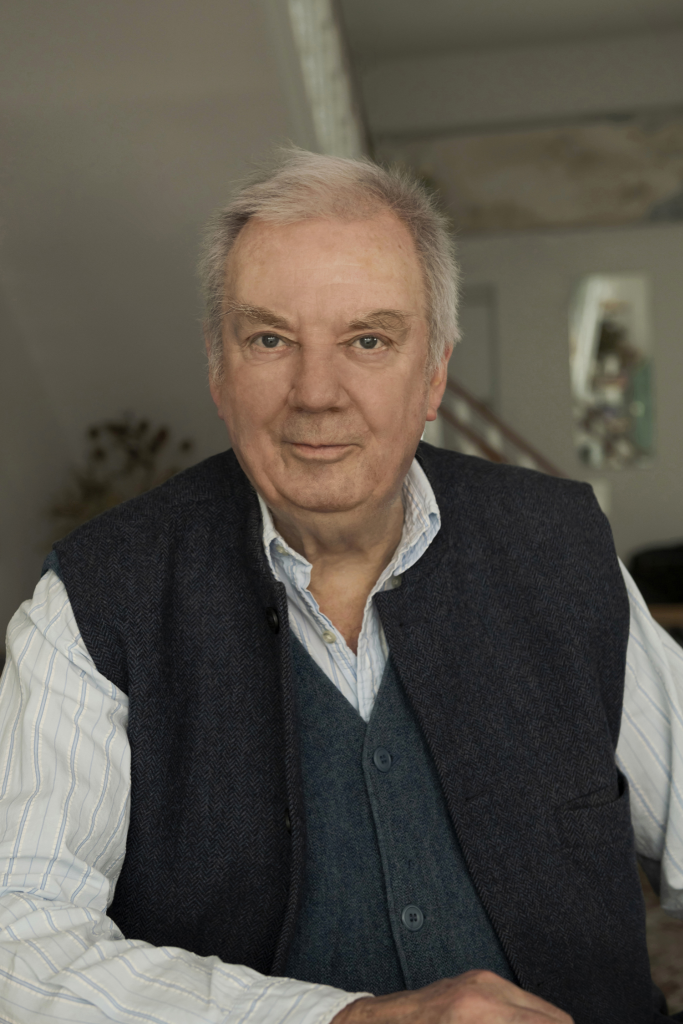
Julian Barker has been practising phytotherapy for more than four decades and is the author of The Medicinal Flora of Britain and Northwestern Europe (2001), Human Health and its Maintenance with the Aid of Medicinal Plants (2020) as well as several other books on herbal medicine and human health with the most recent being Plants on Prescription (2026).
If you have any questions regarding this article please email Julian direct